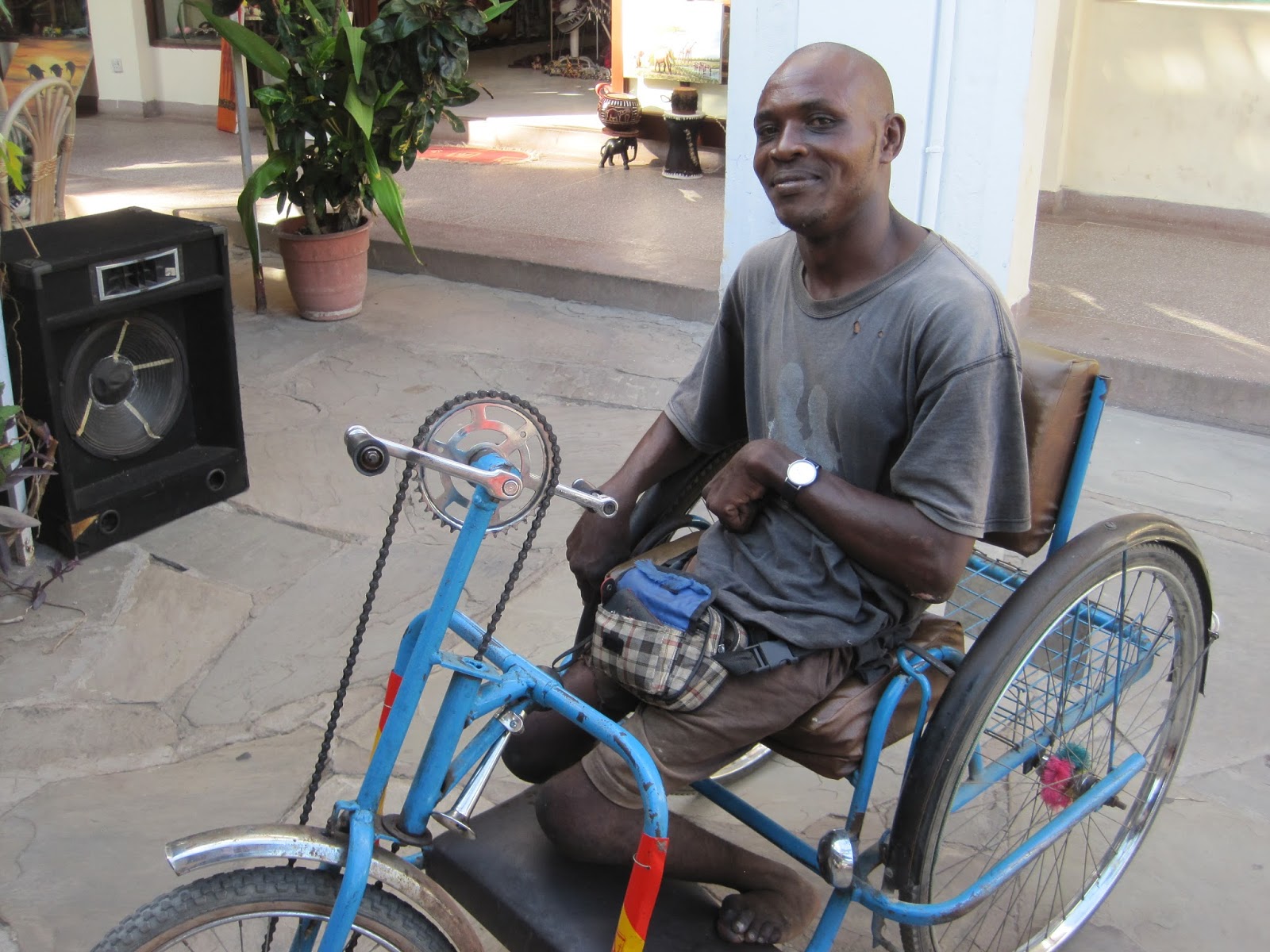
So what do I do if I want to help?

GO. If you can go, do it.
Plan it now and do it this year. We understand so little, watching from our comfortable living room. Go see for yourself. Go to learn. Go with others who know the people and can help you make your way into the community. You might wisely decide in advance that your purpose is just to meet folks and learn from them. Go with the expectation of being changed by those you'll meet. They know so much more about life and poverty and coping than we do.
GIVE. If you can give, please do, generously and regularly. 
GO. If you can go, do it.
Plan it now and do it this year. We understand so little, watching from our comfortable living room. Go see for yourself. Go to learn. Go with others who know the people and can help you make your way into the community. You might wisely decide in advance that your purpose is just to meet folks and learn from them. Go with the expectation of being changed by those you'll meet. They know so much more about life and poverty and coping than we do.
Our generosity is the supply pipeline for competent folks doing the work long-term, and there is great need. We discovered again with the recent Haiti crisis that you can't just send stuff. If you fill a box with clothes, it costs more to handle the one box perhaps than the clothes are worth. Giving money to the organizations that do the work, on the other hand, helps fund an efficient logistics and supply management process that brings the right kind of help to the point where it's currently needed.

I'd picked up a couple of Portuguese Bibles, I forget why; another home run; the principal asked for more for the teachers to use in the classroom. We shipped a case to them last fall.
In conversation with the principal and teachers, they tell me their regular need is supplies like pencils and paper. I carry pencils every trip in, whatever my baggage weight allowance will stand, and we buy paper and notebooks from a store there. We have an in-country agent who purchases things locally on our behalf when we can raise money to send.

Sending a box from the states by mail (flat rate, 20 lbs., $42) makes sense only for items worth the expense.
But what helps, really? In Sao Tome & Principe, for instance. They have a wonderful community and culture, are not likely to go hungry for extended periods, little violence, little crime. Children are more likely to grow up safe and happy in Sao Tome than they might in Chicago. Health care is inadequate. A balanced diet is uncommon. The Taiwanese Medical Mission has made real inroads against malaria, but more is needed for basic health care. Education receives little public funding and is resource constrained. The children's world is narrowed by the lack of literature and instructional texts.
Community infrastructural elements are minimal. Water is often from open stream sources, electricity is often not available or reliable, most homes don't have TV (probably a good thing), and home internet access is only for the wealthy. There's only one internet cafe in the city that I know about; expensive. The educational resources of the web could be a benefit to schools, perhaps. Or would they be better off if they remained somewhat insulated from the rest of the world?
LEARN. The hardest task, understanding the real need.
I'm often asked if I have room to take children's clothes in my luggage. Friends see the pictures of kids in raggedy clothes and are heart-moved to meet the need. Clothes are good, and I've taken a bunch mostly as friendship fun gifts. A colorful t-shirt with a nice logo brings a smile, but clothes aren't the real need where I travel. Malnutrition, on the other hand, is a tough problem. Between 10% and 40% of the kids I meet will have protein deficient diets. They'll be under height for age and under weight for height (stunted). Some will have a reddish tint to hair that is a possible indicator, too. The deficiency will affect the way their bodies and internal organs develop. Their lives will be complicated and shortened by the lack. Sponsoring a nutrition program takes more to accomplish but addresses a real need. Agricultural assistance, or maybe a pair of goats can be a big help. Helping without hurting takes thoughtful effort. Instead of $20 for T-shirts, $20 worth of fish and beans might balance a household's diet for the month or two.
 A precious mother and daughter (left) invited me in for a brief visit; nicer than most of the people in my world. Just being hospitable, they seemed to appreciate the chance to talk a bit with a visitor. They have very little but are not hungry at the moment. If you want to lend them a hand, you'll want to understand what would serve them. Help them protect their fishing areas so they can feed themselves, help the community develop clean water and sanitation, schools, health education ...
Things that help: the most difficult task is not getting goods to Africa, although that's daunting enough. It's figuring out what you can do that actually helps without being an insensitive, arrogant foreigner in the process.
Kids in the difficult areas of Africa don't need teddy bears. Families don't need our instruction or pity and are as offended by such foolishness as we would be. The presence of tourists is often an insult as they take pictures of 'the poor Africans'. Families could use a brother's hand in the labors of life along the way, just like anyone else would. So what can we do that actually helps?
Like most folks, Africans appreciate you stopping to shake hands, meet mom & dad, sit with them awhile, and listen. Give the moms a ride back from doing laundry at the river, maybe. Help them load the baskets in the truck and unload at the village. It's an apparently unusual gesture by a foreigner and much appreciated. Ask questions about whatever. Ask before taking their picture. Good manners and caring go a long way, but it costs a lot in terms of time, resources, and personal pain. After leaving a meeting at the hospital, I've had to stop beside the road and wait for the pain to quit before driving further. The reality of life in Africa will wound your heart deeply.
I'm often asked if I have room to take children's clothes in my luggage. Friends see the pictures of kids in raggedy clothes and are heart-moved to meet the need. Clothes are good, and I've taken a bunch mostly as friendship fun gifts. A colorful t-shirt with a nice logo brings a smile, but clothes aren't the real need where I travel.
Malnutrition, on the other hand, is a tough problem. Between 10% and 40% of the kids I meet will have protein deficient diets. They'll be under height for age and under weight for height (stunted). Some will have a reddish tint to hair that is a possible indicator, too. The deficiency will affect the way their bodies and internal organs develop. Their lives will be complicated and shortened by the lack. Sponsoring a nutrition program takes more to accomplish but addresses a real need. Agricultural assistance, or maybe a pair of goats can be a big help. Helping without hurting takes thoughtful effort. Instead of $20 for T-shirts, $20 worth of fish and beans might balance a household's diet for the month or two.
Things that help: the most difficult task is not getting goods to Africa, although that's daunting enough. It's figuring out what you can do that actually helps without being an insensitive, arrogant foreigner in the process.
Kids in the difficult areas of Africa don't need teddy bears. Families don't need our instruction or pity and are as offended by such foolishness as we would be. The presence of tourists is often an insult as they take pictures of 'the poor Africans'. Families could use a brother's hand in the labors of life along the way, just like anyone else would. So what can we do that actually helps?
Like most folks, Africans appreciate you stopping to shake hands, meet mom & dad, sit with them awhile, and listen. Give the moms a ride back from doing laundry at the river, maybe. Help them load the baskets in the truck and unload at the village. It's an apparently unusual gesture by a foreigner and much appreciated. Ask questions about whatever. Ask before taking their picture. Good manners and caring go a long way, but it costs a lot in terms of time, resources, and personal pain. After leaving a meeting at the hospital, I've had to stop beside the road and wait for the pain to quit before driving further. The reality of life in Africa will wound your heart deeply.
The Navy SeaBees leave an impressive mark in Africa with their construction efforts; they're famous for giving something that lasts. They're on my short list of heroes for serving others. What can we offer that lasts?
Organizations like World Vision do a magnificent job of the stuff that matters. They invest a couple of decades in a village, build schools and houses, dig reliable wells, teach agriculture, do health care, and after a decade or three, a generation of children are educated and the village is changed for the better. That's real help. The key to their effectiveness is that they go and live there. It's a long-term commitment to be alongside.

In the fifteen or so trips I've made to Africa so far, I've made a few mistakes and stumbled onto a few winners. I've spent money on kid trinkets, I forget what they were now, but it was a loser. No matter what you have, there are probably more kids than you can equip. On the other hand, working with a school or an organization on the ground means you have skilled adults with whom you can pitch in and try to help.
Balloons for a Children's Day event (at the school) were great fun, as was the candy which colored a lot of tongues purple, if I recall. We added those little things to their celebration, and it was appreciated. Printed photos are a nicety enjoyed by pretty much everyone.
Books were a home run. There's no bookstore in the country. In Lisbon, I picked up a few (expensive, unfortunately, or I'd have bought more) books for elementary school aged kids. Well received; the school has just a few books, I discovered.

Balloons for a Children's Day event (at the school) were great fun, as was the candy which colored a lot of tongues purple, if I recall. We added those little things to their celebration, and it was appreciated. Printed photos are a nicety enjoyed by pretty much everyone.
Books were a home run. There's no bookstore in the country. In Lisbon, I picked up a few (expensive, unfortunately, or I'd have bought more) books for elementary school aged kids. Well received; the school has just a few books, I discovered.

I'd picked up a couple of Portuguese Bibles, I forget why; another home run; the principal asked for more for the teachers to use in the classroom. We shipped a case to them last fall.
In conversation with the principal and teachers, they tell me their regular need is supplies like pencils and paper. I carry pencils every trip in, whatever my baggage weight allowance will stand, and we buy paper and notebooks from a store there. We have an in-country agent who purchases things locally on our behalf when we can raise money to send.

Sending a box from the states by mail (flat rate, 20 lbs., $42) makes sense only for items worth the expense.
But what helps, really? In Sao Tome & Principe, for instance. They have a wonderful community and culture, are not likely to go hungry for extended periods, little violence, little crime. Children are more likely to grow up safe and happy in Sao Tome than they might in Chicago. Health care is inadequate. A balanced diet is uncommon. The Taiwanese Medical Mission has made real inroads against malaria, but more is needed for basic health care. Education receives little public funding and is resource constrained. The children's world is narrowed by the lack of literature and instructional texts.
Community infrastructural elements are minimal. Water is often from open stream sources, electricity is often not available or reliable, most homes don't have TV (probably a good thing), and home internet access is only for the wealthy. There's only one internet cafe in the city that I know about; expensive. The educational resources of the web could be a benefit to schools, perhaps. Or would they be better off if they remained somewhat insulated from the rest of the world?
Expensive lessons from the Peace Corps: In conversations with Ned Seligman, the director of Step Up Sao Tome, I learned a bit about what works. He began with the Peace Corps decades ago and through the difficult years of tremendous effort, he understands the work that has to happen in the field. He spoke with insight about the 'save the children' approach to making a difference. For a family in need, sponsoring a child's education is a big help, but there are many needs. Families rarely have just one child needing help for school. A better friend (as opposed to an uninvolved benefactor) will try to understand what needs are critical and immediate. Long term concerns might include issues like malaria or HIV/AIDS education and prevention, or help in starting a small business, or home gardening, or water purification and community sanitation, or maybe adult literacy.
Government top-down programs often siphon off funds, reducing the impact at the point of need. The needs of a community in poorer countries are daunting, but small organizations like Step Up Sao Tome are focused at the village and family level to tackle them. World Vision is perhaps the most capable of the large organizations.

UPDATE: In Sao Tome, STeP UP is the NGO I've been working with, recommended to me by US embassy staffers who know them well. (photos right). They manage a number of projects including an effective scholarship program. They've agreed to open the program for a couple of kids I know at Almas Elementary. Education is a tough road for kids in Africa. Here, a lot of them drop out around the 4th grade because their families cant afford it. A few hundred dollars will cover the cost of a life-changing year for a family. For the kids, it includes school uniforms, shoes, tutors, books and supplies, food to help achieve some balance in their diet, transportation, and health education covering malaria, HIV/AIDS, and more. STeP UP is taking a couple of five families into the program for us. Donate here,if you like. It goes to the NGO in Sao Tome for education assistance. People will like you better if you give.
________________________________________________________
 Djibouti:
A small country of a half-million people, 50% unemployment, nomadic hinterlands, a legacy French influence, and a fair amount of U.S. activity. We've been on the ground there several times doing construction in preparation for installation work. Having just returned from my first trip there in APR '09, I've seen more than I can easily grasp. Having ventured into the refugee slum area, a father expressed to me his simple concerns, an education for his children and a chance for them to have a better life. He'd brought his family (wife, mother, and children) from Somalia in hopes of giving his kids a better future. Perhaps we'll be able to sponsor his children through school; his oldest son is a student at the University of Djibouti and could use a little help. NOTE: his mother died recently; I haven't been able to get the details. The youngest member of the family, photo, left.
UPDATE:
Our attempts at making our way into the community in Djibouti were hampered by misrepresentation, fraud, and theft. A younger member of the family whom we befriended used the tenuous new relationship to extort money. Truly minor, but disappointing and counterproductive. Later, we were in the neighborhood (a known and dangerous refugee area, we later discovered) to visit and drop off simple gifts, a member of the community stole a backpack from our vehicle while we were just inches away. The community made the individual turn himself in to the police, but we lost time and opportunity in the process. The theft is understandable given the desperate circumstances of their lives.
I'll post more info when I understand it better. We'll try again, probably in 2011.
Kenya:
 On the horizon for 2010/11. We'll be there off and on for at least a couple of years, and we have contacts via churches in both Nairobi and Mombasa. We'll see.
Update: Kenya is incredibleFour trips to Kenya this year... 39 kids on school assistance now, including the three precious orphans here who live with grandma. We're working through a local church pastor and board for the programmatics.
More updates in the travel narratives at Africa Tales.

24 JAN '10 - Sao Tome & Principe
UPDATE: we had a chance to assist with the Navy Seabee's site survey at Almas Elementary. They spent time with the principal, Valentim (in the photo, green shirt), determining what was needed most. They're going to fix the windows, improve the wall, repair water and electrical problems, and paint the classrooms. In the photo, the kids gather between classes to meet the team and see what's up. The Navy construction team will be here later in the year for the project's completion. UPDATE: In Sao Tome, STeP UP is the NGO I've been working with, recommended to me by US embassy staffers who know them well.
________________________________________________________

A small country of a half-million people, 50% unemployment, nomadic hinterlands, a legacy French influence, and a fair amount of U.S. activity. We've been on the ground there several times doing construction in preparation for installation work. Having just returned from my first trip there in APR '09, I've seen more than I can easily grasp. Having ventured into the refugee slum area, a father expressed to me his simple concerns, an education for his children and a chance for them to have a better life. He'd brought his family (wife, mother, and children) from Somalia in hopes of giving his kids a better future. Perhaps we'll be able to sponsor his children through school; his oldest son is a student at the University of Djibouti and could use a little help. NOTE: his mother died recently; I haven't been able to get the details. The youngest member of the family, photo, left.
UPDATE:
Our attempts at making our way into the community in Djibouti were hampered by misrepresentation, fraud, and theft. A younger member of the family whom we befriended used the tenuous new relationship to extort money. Truly minor, but disappointing and counterproductive. Later, we were in the neighborhood (a known and dangerous refugee area, we later discovered) to visit and drop off simple gifts, a member of the community stole a backpack from our vehicle while we were just inches away. The community made the individual turn himself in to the police, but we lost time and opportunity in the process. The theft is understandable given the desperate circumstances of their lives.
I'll post more info when I understand it better. We'll try again, probably in 2011.
Kenya:

Update: Kenya is incredibleFour trips to Kenya this year... 39 kids on school assistance now, including the three precious orphans here who live with grandma. We're working through a local church pastor and board for the programmatics.
More updates in the travel narratives at Africa Tales.
So what are
we going to do with what we know?
Tell
the
rich folks to quit being so full of themselves
and so impressed with their own possessions, which are here today and
gone tomorrow. It's not their merit that made them wealthy and others
less so. Tell
them to go after God who is generous to us all -
and tell them to do good, to be rich in helping others, to be
extravagantly
generous. If they do that, they'll build a treasure that will last,
gaining life that is truly life.
1 Timothy 6:17-19